Grammar and lexicon distinction in a neurocognitive context
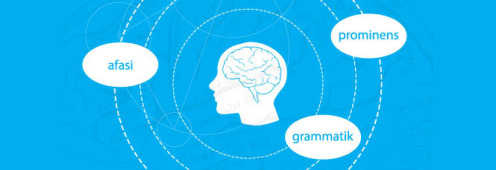
The ProGram project (Information Prominence and Grammar in the brain) was an interdisciplinary project at University of Copenhagen. I did my PhD as a part of that project. We carried out research based on a linguistic theory and a neurocognitive model. The project was a collaboration between three different faculties at the University of Copenhagen with Kasper Boye as the PI and Jesper Mogensen and Hartwig Siebner the co-PIs.
The linguistic theory, also known as the GRAM theory, places itself between the extremes of generative and construction grammar and defines grammar as being “less important” and always conveying secondary information. Lexicon, on the contrary, can carry the main point of an utterance. For instance, in the expression The … ↪